


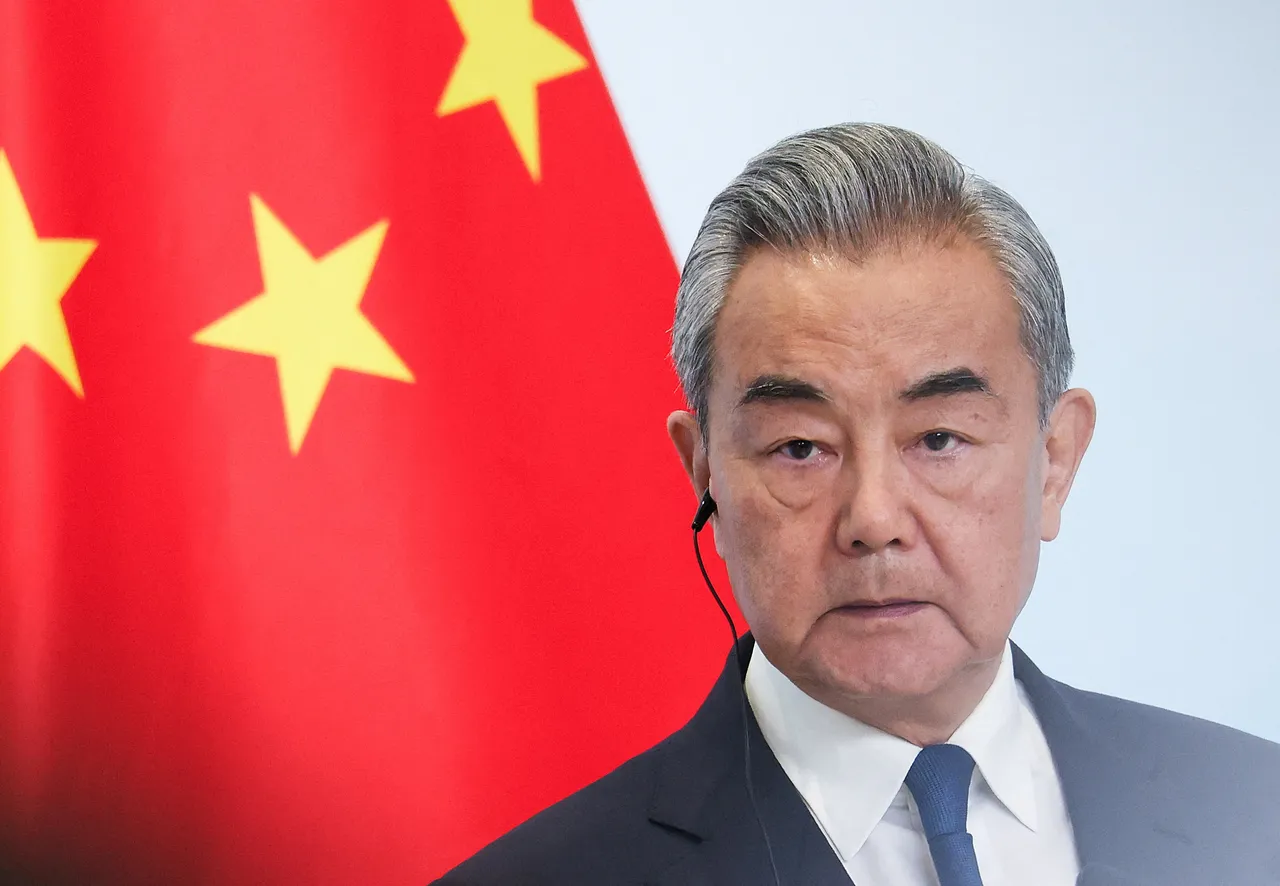
China’s Foreign Minister Wang Yi has begun an official tour of Africa that includes visits to Ethiopia, Somalia, Tanzania and Lesotho, marking the 36th consecutive year Africa has been the destination of China’s top diplomat’s first overseas trip of the year.
According to China’s foreign ministry, Wang’s visit runs from January 7 to January 12 and will include his participation in the launch of the China–Africa Year of People-to-People Exchanges at the headquarters of the African Union in Addis Ababa. Chinese officials said the long-standing tradition underscores Africa’s central place in Beijing’s foreign policy and its emphasis on long-term, development-oriented partnerships.
Somalia is a key stop on the tour, marking the first visit by a Chinese foreign minister to Mogadishu since the 1980s. The visit comes amid heightened regional diplomacy following Israel’s recent recognition of Somaliland, a move Beijing has rejected. Chinese officials have reiterated their support for Somalia’s sovereignty and territorial integrity, and analysts say Wang’s presence is expected to provide Somalia with diplomatic backing at a sensitive moment.
Beijing is also keen to strengthen its engagement around the Gulf of Aden, a strategic maritime corridor linking the Red Sea to global trade routes. Chinese policymakers have consistently framed their approach to Somalia as one that links security with development, prioritizing infrastructure, economic recovery and state capacity over narrowly focused counterterrorism measures.
Beyond Somalia, Wang’s itinerary reflects broader East African priorities. Ethiopia’s role as a diplomatic hub and host of the African Union makes it central to China’s continental engagement, while Tanzania remains important to Beijing’s infrastructure and resource strategy, including the rehabilitation of the historic TAZARA railway linking Tanzania and Zambia.
The visit also highlights China’s outreach to smaller and least-developed African states. In Lesotho, officials say the focus will be on trade and development cooperation, following Beijing’s pledge to grant tariff-free access to its market for the world’s poorest countries.
China–Africa economic ties continue to expand. Bilateral trade surpassed $300 billion for the first time in 2025, while Chinese investment and financial support have increased across sectors such as infrastructure, energy, agriculture and digital technology. The tour builds on commitments made under the Forum on China-Africa Cooperation, which marked its 25th anniversary last year.
Chinese officials say the Africa tour sends a signal of policy continuity and predictability, emphasizing respect for sovereignty, opposition to unilateralism and support for development across the Global South, regardless of shifting global power dynamics.

