


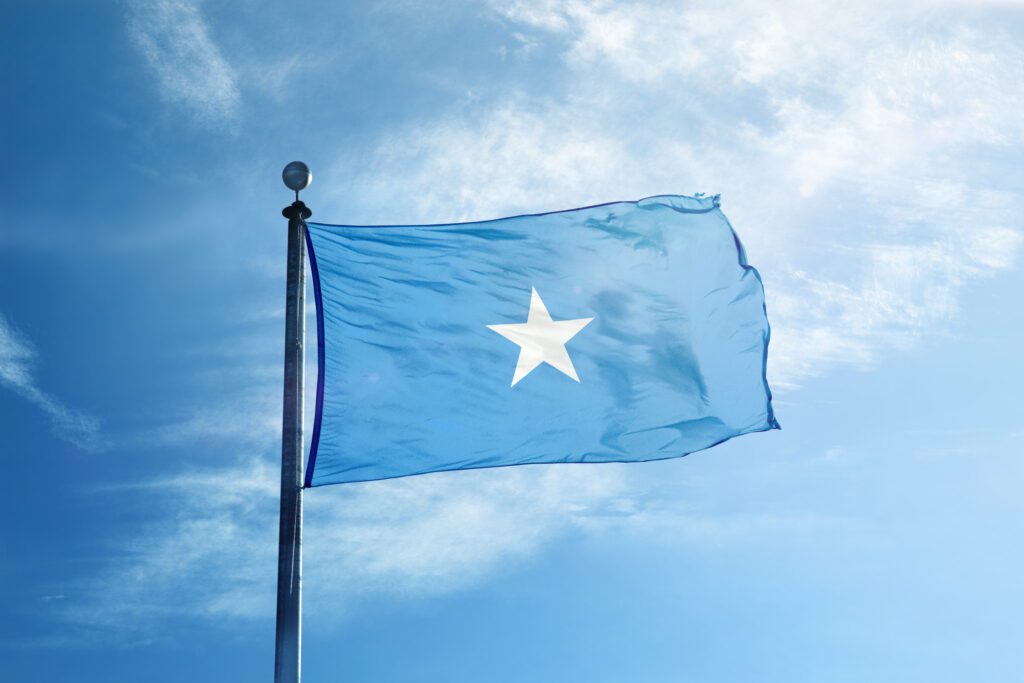
A wave of strong international condemnation has followed Israel’s decision to recognize Somaliland, with Somalia and a broad coalition of Arab states, Turkey, China, and Palestine warning that the move violates international law and threatens regional stability.
In a sharply worded press release issued on December 26, the Federal Government of Somalia described Israel’s recognition as a “deliberate attack” on its sovereignty, reaffirming that Somaliland is an “integral, inseparable, and inalienable” part of Somalia. Mogadishu declared the move null and void under international law and warned that no external actor has the authority to alter Somalia’s territorial integrity. The government also cautioned against any foreign military arrangements on Somali territory, saying such actions could fuel proxy conflicts and embolden extremist groups, including Al-Shabaab and ISIS.
Arab and Gulf states quickly echoed Somalia’s position. Qatar rejected the recognition as a “dangerous precedent,” arguing that it undermines Somalia’s unity and violates international law. Doha urged Israel to focus instead on ending the war in Gaza and recognizing the State of Palestine. Kuwait similarly denounced the move as a unilateral and legally void action, pledging full support for Somalia’s legitimate institutions and warning against efforts to legitimize separatism.
Jordan went further, labeling Israel’s decision a “flagrant violation” of international law and the UN Charter. Amman stressed that respecting national borders is non-negotiable and rejected any attempt to impose “parallel entities” that could fracture Somalia’s unity. Saudi Arabia also reaffirmed its unwavering support for Somalia’s sovereignty, describing Israel’s move as an unlawful separatist measure that threatens stability in the Horn of Africa.
Turkey joined the chorus, warning that Israel’s recognition risks deepening instability in an already fragile region. Ankara said bypassing Somalia’s federal government undermines efforts to promote peace, development, and counterterrorism, reiterating that Somalia’s unity is essential for regional security.
China, a permanent member of the UN Security Council, also weighed in. In a phone call with Somali Foreign Minister Abdisalam Dhaay, Chinese Ambassador Wang Yu reaffirmed Beijing’s “firm support” for Somalia’s sovereignty and expressed strong joint opposition to secessionism. Both sides agreed to coordinate diplomatically to counter narratives that threaten the unity of sovereign states.
The State of Palestine condemned Israel’s move as illegal and destabilizing, warning that it aligns with broader Israeli policies aimed at regional fragmentation. Ramallah also revealed that Israel had previously identified Somaliland as a potential destination for the forced displacement of Palestinians from Gaza, a proposal it described as a “red line” and a grave violation of international law.
Somaliland declared independence from Somalia in 1991 but has never been internationally recognized. Somalia and its allies insist that any engagement with the region outside constitutional and legal frameworks constitutes a violation of international norms, calling on the global community to uphold Somalia’s sovereignty and prevent further destabilization in the Horn of Africa.

