


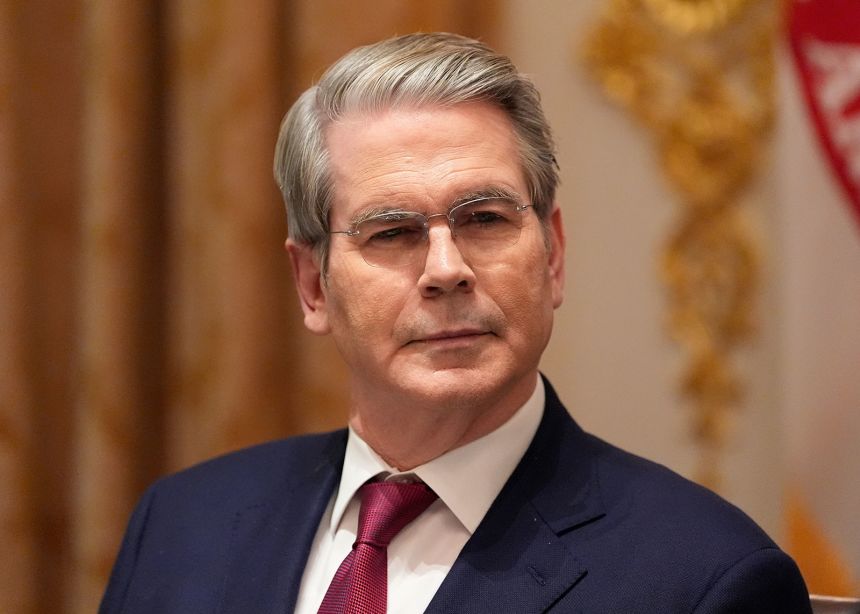
Washington / Minneapolis — The U.S. Department of the Treasury has opened a preliminary inquiry into unverified allegations that public funds in Minnesota may have been misused and could have ended up with the militant group Al-Shabaab. The claims, pushed by some conservative media outlets and Republican politicians, have stirred political uproar despite no evidence showing Somali Americans were involved or that any funds reached the group.
Treasury Secretary Scott Bessent commented on X, stating:
“At my direction, @USTreasury is investigating allegations that under the feckless mismanagement of the Biden Administration and Governor Tim Walz, hardworking Minnesotans’ tax dollars may have been diverted to the terrorist organization Al-Shabaab. Thanks to the leadership of @POTUS @realDonaldTrump, we are acting fast to ensure Americans’ taxes are not funding acts of global terror. We will share our findings as our investigation continues.”
U.S. officials emphasize that the review remains only preliminary, and so far no evidence has been found linking Somali Americans or Minnesota funds to Al-Shabaab. Analysts describe the accusations as politically driven and unsupported by verified information, stressing that the inquiry itself does not confirm any wrongdoing.
Somali community leaders in Minnesota strongly reject the claims, calling them baseless, harmful, and discriminatory. They warn that such allegations unfairly target their community and create unnecessary fear and stigma.
Security experts note there is no credible proof supporting the accusations and say similar narratives often emerge during tense political periods in the United States. Some online commentators have also suggested that the controversy may serve as a distraction from other U.S. political debates, including renewed pressure over the release of Epstein-related files — speculation that remains unverified.
For now, the Treasury review is inconclusive, and officials maintain that no links have been established between Somali Americans and terrorism financing. Community members say the narrative risks reinforcing false assumptions and unfairly harming innocent people.

