


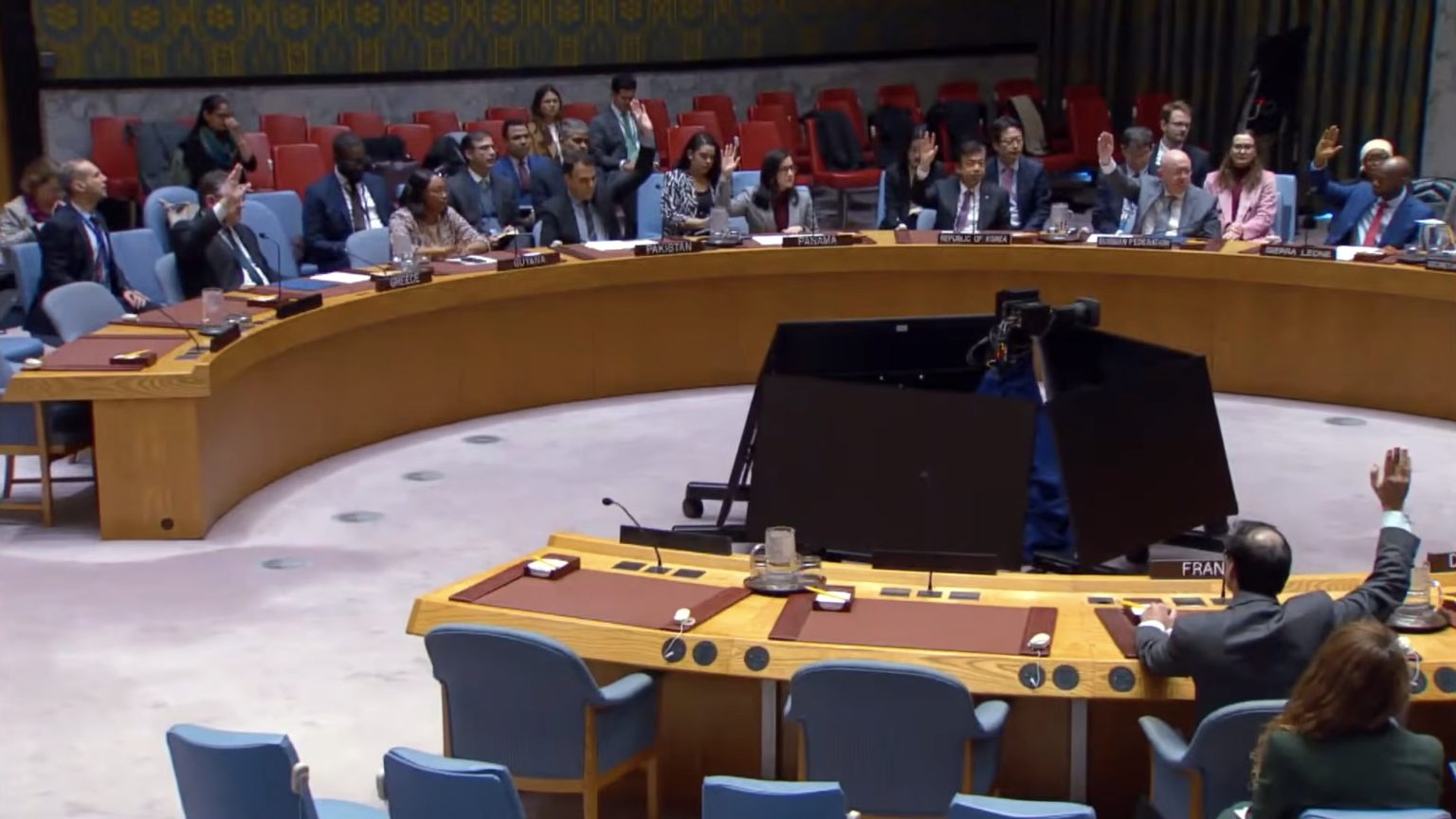
The United Nations Security Council has unanimously approved a resolution extending the mandate of the African Union Support and Stabilization Mission in Somalia (AUSSOM) through December 31, 2026, reaffirming international support for Somalia’s ongoing security transition.
The resolution, submitted by the United Kingdom, was adopted on Tuesday with all 15 members of the Council voting in favor. Alongside the extension, the Council also set a clear timeline for the closure of the United Nations Transitional Assistance Mission in Somalia (UNTMIS), which is scheduled to end all operations by October 31, 2026.
Speaking after the vote in New York, the UK’s Deputy Permanent Representative to the UN, Archie Young, described AUSSOM as “essential” to strengthening stability and security in Somalia as the country works toward assuming full responsibility for its own security. He acknowledged ongoing financial challenges facing the mission, including underfunding and liquidity shortfalls affecting the UN Support Office in Somalia (UNSOS).
“The resolution we have adopted today is clear-eyed about these challenges,” Young said, noting that it establishes a formal process to review and assess UN logistical support to ensure resources are used effectively. He emphasized that future Security Council decisions must remain grounded in a thorough understanding of Somalia’s national context to keep international assistance focused and impactful.
AUSSOM officially began operations on January 1, 2025, replacing the African Union Transition Mission in Somalia (ATMIS) as part of a phased security handover to Somali authorities. Since July, the Somali National Army, with support from AUSSOM and international partners, has intensified military operations against the al-Qaeda-linked al-Shabaab group, achieving gains against the militants’ positions and supply networks in southern and central Somalia.
Al-Shabaab has waged an insurgency against the Somali government for more than 16 years, carrying out frequent attacks against security forces, government officials, and civilians. The extension of AUSSOM’s mandate is intended to prevent security gaps during the transition period and sustain pressure on the group as Somalia moves toward full security ownership by the end of 2026.

